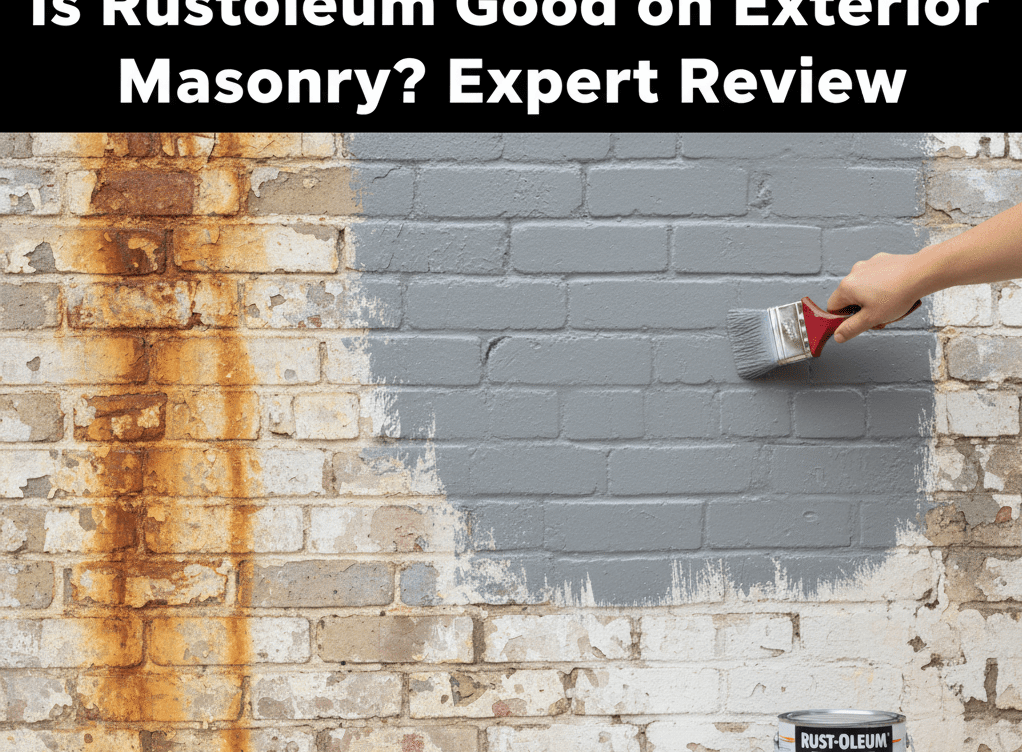
Is Rustoleum Good on Exterior Masonry? A Complete Guide by Perfect Restoration
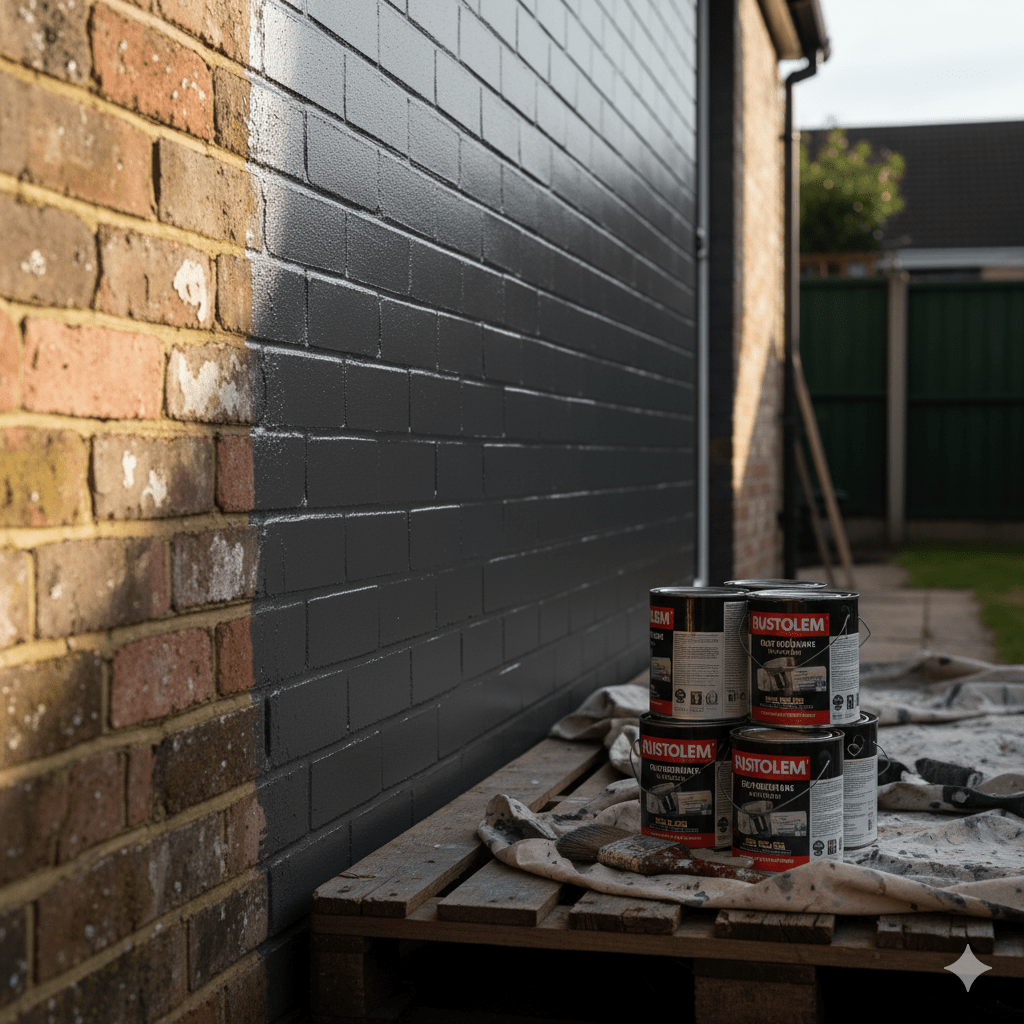
Homeowners, when considering the question of protecting and beautifying exterior masonry surfaces such as brick, stone, concrete, or stucco, frequently inquire whether Rustoleum is suitable for use on exterior masonry. The answer in brief is affirmative, but with some important considerations. Rustoleum, one of the trusted brands in the fields of protective paints and coatings, provides a plethora of products that are capable of withstanding bad weather conditions, moisture, and fading.
It is, nonetheless, very important to clarify the actual performance on masonry, the method of application, and the resulting expectations. Perfect Restoration takes you through an elaborate guide, demonstrating whether Rustoleum is indeed the appropriate choice for your exterior masonry surfaces.
Understanding Rustoleum and Its Purpose
Rustoleum is a household name mainly because of its anti-rust coatings applied on metals, but the brand has gradually embraced the use of paints and other coatings for wood, concrete, and masonry, too. The company’s exterior paints and sealants are fabricated with state-of-the-art formulations that make them resistant to UV rays, water intrusion, fungi, and mildew.
A stringent application of Rustoleum produces a very tough and resistant layer that blocks the degrading effect of dripping water, sunlight, and freeze-thaw cycles onto the surface. Plus, it will give the masonry surfaces, such as walls, patios, and other outdoor features, a markedly longer lifespan than if unprotected. However, it all boils down to product application, the type of masonry, and the prevailing conditions for the product’s performance.
How Rustoleum Performs on Masonry Surfaces
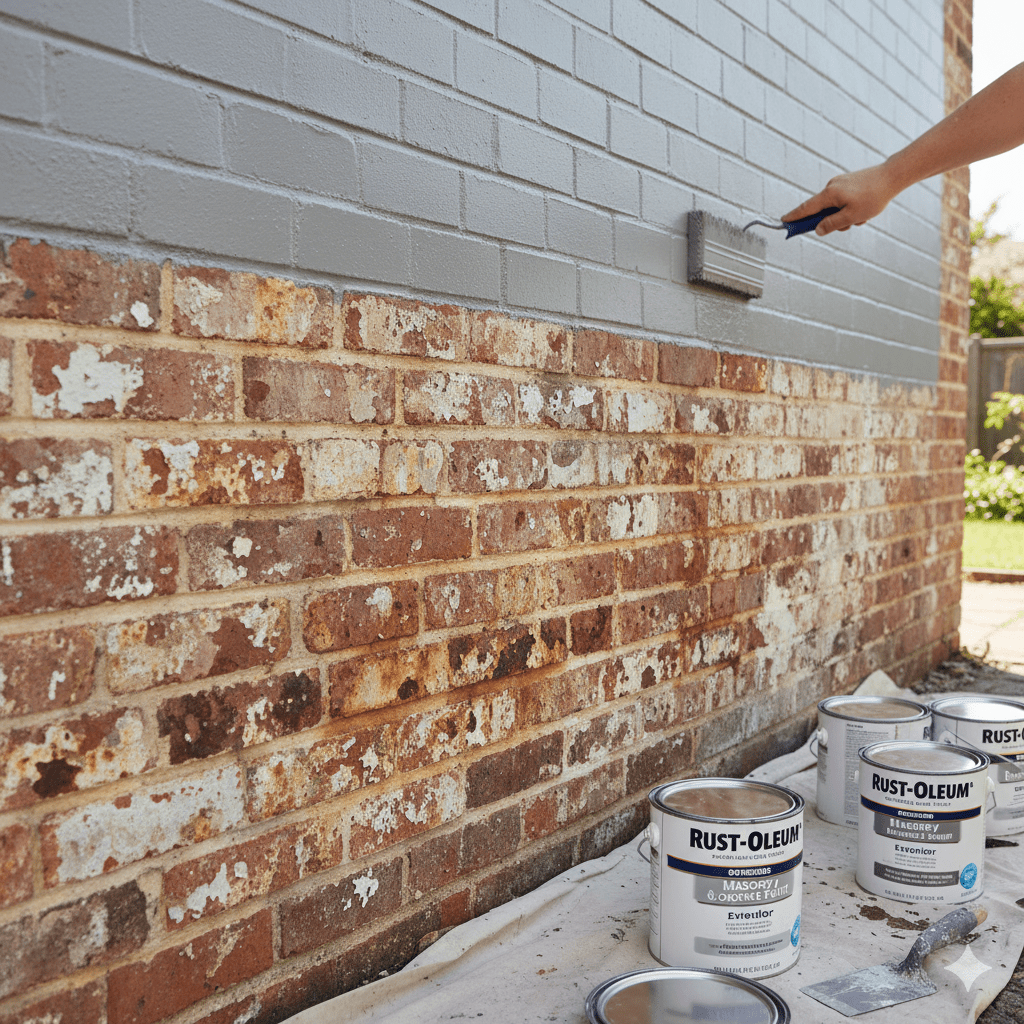
The query “Is Rustoleum good on exterior masonry?” can be answered affirmatively depending on the product’s adhesion and protective capabilities over time. Masonry is a characteristic that implies the material can absorb water and, thus, it will expand and contract with changing temperatures. Rustoleum has its Concrete & Masonry Paint+Primer and Waterproofing Paint among its specialized forms that will bond with these porous surfaces and will also provide a breathable yet durable barrier.
This combination is essential since it does not allow water to soak into the surface but allows the moisture under the surface to escape, thus the risk of peeling or flaking is greatly reduced. According to reports from homeowners who have opted for Rustoleum on exterior brick or stone surfaces, a smooth finish and lasting color retention are the chief benefits even after years of outdoor exposure.
Key Benefits of Using Rustoleum on Exterior Masonry
Rustoleum has many advantages that make it an excellent option for the protection of exterior masonry:
- Durability Against Harsh Weather: Rustoleum’s exterior paints resist cracking, peeling, and fading from exposure to the sun and rain.
- Excellent Adhesion: As long as the surface is properly prepped, it has a great bond to rough masonry surfaces, which can last for years
- Mold and Mildew Resistance: Many Rustoleum coatings contain mildewcides to maintain against biological growth, which is ideal for humid climates.
- Versatile Finishes: Rustoleum is available in matte, satin, and gloss to give the aesthetic you want for your property.
- Low Maintenance: As long as you properly prepare the surface, surfaces require limited long-term maintenance, which is important for homeowners that want the best look with the least amount of painting.
At Perfect Restoration, we have experienced how proper, even coats of Rustoleum appear on exterior masonry that has faded and weathered, bringing color back to fresher, vibrant, long-lasting surfaces.
Limitations and Considerations Before Application
Certainly, Rustoleum is a fantastic option, but not the ultimate solution. Think about the following important aspects before concluding:
- Surface Preparation: The masonry must be completely clean, dry, and free of efflorescence and old paint. Good surface preparation ensures that Rustoleum sticks well.
- Breathability: The different properties of Rustoleum’s formulations might act as a barrier against moisture, but in the case of some very ancient buildings, a breathable sealer might still be necessary to avoid moisture getting trapped in the building.
- Application Conditions: The temperature and humidity together can affect the drying time and the strength of the adhesion. Avoid painting during extremely cold or wet conditions.
- Compatibility: There is no compatible Rustoleum product for every type of masonry. Always check the product label to make sure that it is suitable for exterior use.
By understanding these limitations, you can maximize the effectiveness of the paint and ensure long-lasting results.
Application Tips for Best Results
Rustoleum’s potential can be fully utilized only through proper application. Perfect Restoration shares a few professional tips:
- Clean Thoroughly: A Power washer or masonry cleaner should be used to get rid of dirt, grease, and loose particles.
- Repair Damages: Fill cracks and holes before painting to create an even surface.
- Prime If Necessary: Although some Rustoleum paints have a primer, a dedicated masonry primer can boost bonding.
- Use Quality Tools: Thicker nap rollers or sprayers made for textured surfaces are the best.
- Allow Proper Curing Time: Stay away from heavy rain or moisture for at least 24–48 hours after application
By adhering to these protocols, your exterior masonry coating will certainly have a beautiful appearance and durability for several years.
Why Choose Perfect Restoration for Your Masonry Painting Project
Perfect Restoration is the go-to company for surface restoration and protective coatings. Our experts are familiar with how different kinds of materials react to environmental stress and the importance of selecting suitable products for long-lasting protection. We carry out professional Rustoleum applications on both residential and commercial masonry and provide expert assessments, resulting in a top-notch, weather-resistant outcome. Our clients rely on us not only for the quality of our work but also for the high-end materials like Rustoleum that we use, which improve both the appearance and the lifespan of the surfaces.
Conclusion
Is Rustoleum suitable for exterior masonry? Sure — if applied properly. It gives great protection, keeps the color bright, and is resistant to external factors. For people looking for a trustworthy and economical method to safeguard and rejuvenate their masonry exteriors, Rustoleum is one of the finest choices that can be made.
Perfect Restoration is one of those professional contractors. When they apply the product, you are going to have not only a smooth but also a lasting finish, which will be an attractive feature of your property and a protective cover against the harsh weather for many years.
FAQs
1. Can I use Rustoleum on old brick walls?
Yes, indeed. Just be sure that the brick surface is clean, dry, and free of any loose mortar or efflorescence so that the paint will adhere to the surface.
2. How long does Rustoleum last on exterior masonry?
When applied appropriately to a properly prepped surface, Rustoleum will last from 5 to 10 years before another coat is required.
3. Do I need a primer before applying Rustoleum?
Most Rustoleum products have a built-in primer, but heavily porous masonry or previously painted masonry may need an additional coat of primer.
4. Will Rustoleum peel off over time?
Peeling off usually only occurs when the surface was not appropriately cleaned and dried before application. As long as the surface is prepped correctly, there should be no peeling.
5. Is Rustoleum waterproof on masonry surfaces?
Yes, Rustoleum’s masonry coatings are waterproof but still allow for the masonry to breathe, preventing moisture damage.